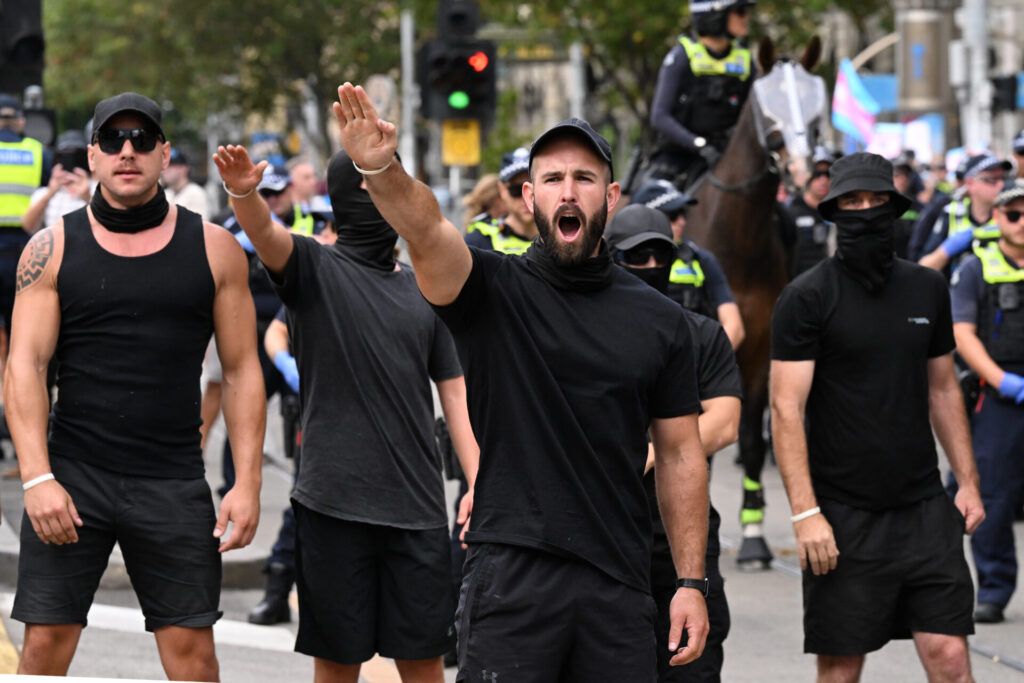
Australia has never been more multicultural than it is today.
Nearly one in three Australians were born overseas, while more than half the population has at least one parent born abroad. In cities like Melbourne and Sydney, diversity is no longer some political talking point. It is everyday life. It is the food we eat, the languages we hear, the classrooms our children sit in and the communities we build together.
Yet this week, two separate stories dominated national conversation and exposed something deeply uncomfortable about modern Australia.
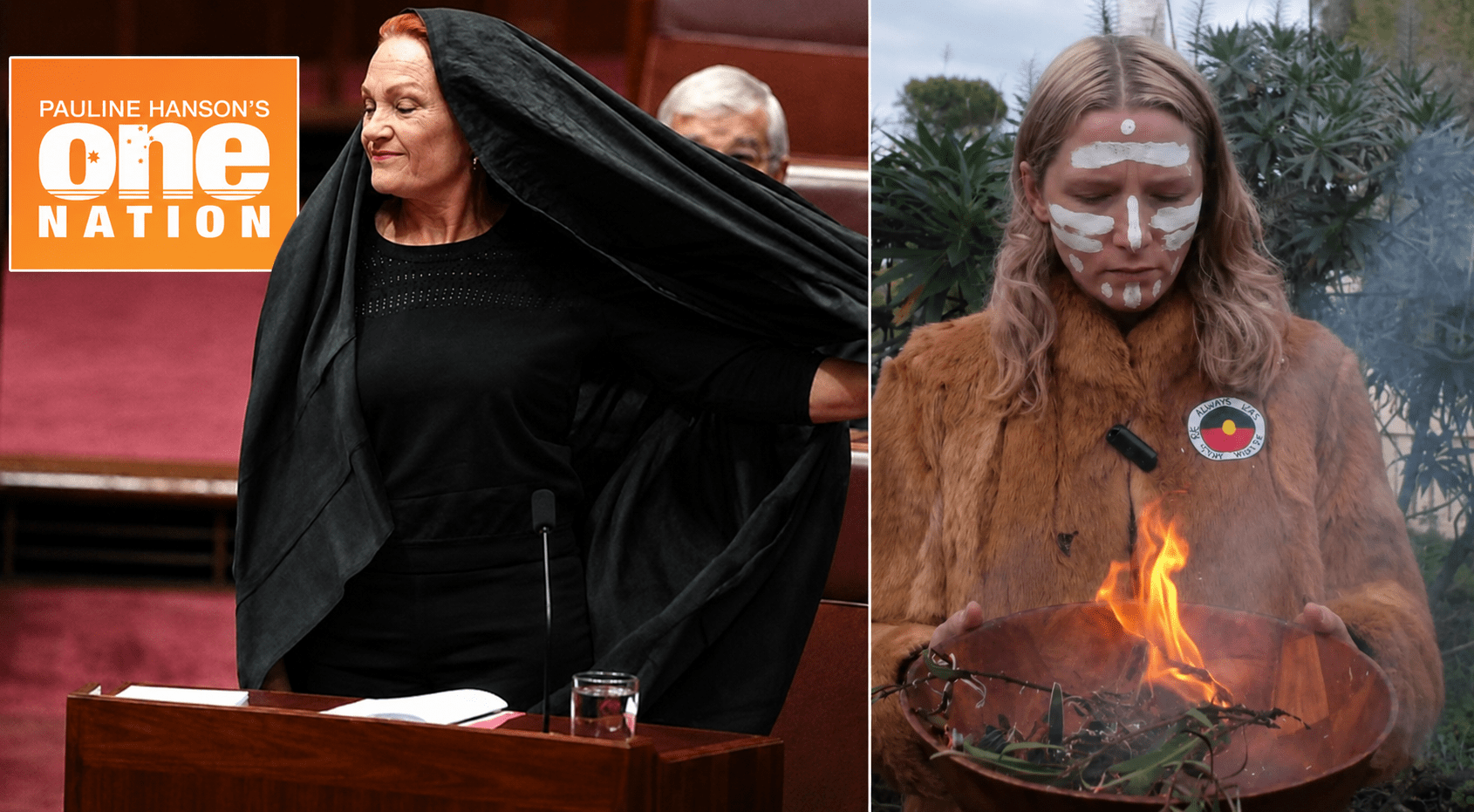
The first involved self-proclaimed comedian Lisa Jane Spencer, who lost her job at Peninsula Hot Springs after outrage over racist social media skits mocking Aboriginal Australians.
One of the videos included references to petrol sniffing and Aboriginal identity in a way many Indigenous people described as degrading and dehumanising. The controversy unfolded during National Reconciliation Week, a period intended to promote understanding and strengthen relationships between Indigenous and non-Indigenous Australians.
The second involved renewed headlines surrounding Pauline Hanson’s One Nation after polling suggested the party may be gaining traction amid growing anxiety around migration, housing affordability and the rising cost of living.
At first glance, the two stories appear unrelated.
One is about comedy.
The other is about politics.
But together, they point to something much bigger happening in Australia right now.
Racism is no longer just surviving quietly in the background of Australian society. Increasingly, it is being rewarded with attention, money, influence and political power.
After Spencer faced backlash and lost her job, supporters launched an online fundraiser claiming she was the victim of “cancel culture” and political correctness. Thousands of dollars were reportedly raised within days.
The backlash quickly spread across social media, with widespread condemnation directed at Spencer’s videos. Her TikTok account was later suspended following the controversy, although it remains unclear whether the suspension is permanent.
Meanwhile, Pauline Hanson remains one of Australia’s most recognisable political figures nearly 30 years after warning the country was at risk of being “swamped by Asians.”
Despite years of controversy surrounding her rhetoric on migrants, Muslims and multiculturalism, One Nation continues to attract support from Australians frustrated by economic pressure and disillusioned with the major parties.
The easy response is to simply label Australia racist.
But the truth is more complicated than that.
Not every person supporting One Nation is motivated by racism. Many Australians are genuinely struggling with housing affordability, stagnant wages and the feeling that politicians are disconnected from everyday life. Likewise, not every person donating to Spencer’s fundraiser necessarily supports racist stereotypes.
But pretending racism is not playing a role in this broader cultural shift would be equally dishonest.
Australia is experiencing a growing backlash against social change, multiculturalism and so-called “wokeness.” Increasingly, conversations around race are being reframed as debates about free speech, political correctness and whether people are “allowed” to say controversial things anymore.
And social media has amplified all of it.
Outrage has become profitable.
The louder and more divisive something is, the more attention it attracts. Algorithms reward controversy because controversy keeps people engaged. That attention then turns into followers, donations, media coverage and political relevance.
It is no coincidence that some of the loudest voices in politics and online culture thrive by provoking anger.
Spencer defended her videos as satire and reportedly said she jokes about “all kinds of people.” But there is a difference between satire and recycling racist stereotypes Aboriginal Australians have endured for generations.
Mocking Aboriginal identity through petrol sniffing jokes is not bold social commentary. It is not edgy or groundbreaking. It is lazy racism packaged as humour.
Yet criticism of that kind of behaviour is increasingly being framed as the real problem.
The person making racist remarks becomes the victim.
The backlash becomes worse than the racism itself.
And anyone calling it out is dismissed as “too sensitive” or “woke.”
That shift should concern all Australians because it mirrors trends we have already seen overseas.
For years, many Americans dismissed Donald Trump as political theatre. Loud, provocative and ultimately harmless. But what began as outrage politics eventually reshaped the entire country.
Trump gained significant support from Latino voters despite campaigning on hardline immigration policies and mass deportations. That contradiction shocked many political observers. But it also revealed something deeper about modern politics.
Fear, economic anxiety, distrust in institutions and frustration about social change can sometimes become more politically powerful than identity itself.
Australia is not America.
But it would be naive to assume we are immune from the same forces now reshaping democracies across the Western world.
What makes this moment even more complicated is that support for anti-immigration rhetoric in Australia does not always come exclusively from white Australians either. One Nation has also attracted support from some migrants and children of migrants.
That reality may seem contradictory, but it reflects a deeper truth about modern politics. Assimilation pressures, economic frustration, resentment toward newer migrants and a desire to feel connected to mainstream national identity can sometimes outweigh ethnic solidarity itself.
Multicultural societies are not automatically immune from backlash politics simply because they become more diverse.
In fact, rapid social change can sometimes intensify those tensions. And the warning signs are already here.
We are seeing growing hostility toward migrants during a housing crisis. We are seeing diversity and inclusion initiatives turned into culture-war battlegrounds. We are seeing outrage-driven commentary rewarded online. And we are watching racial resentment increasingly repackaged as “common sense” politics.
None of this means Australia has failed as a multicultural nation.
In many ways, the backlash against Spencer’s videos also shows how much the country has changed. Many Australians were disgusted by the content. Employers, organisations and members of the public publicly condemned it. That matters.
But the backlash to the backlash matters too. Because it reveals there is still a significant audience for racial division, particularly when it is wrapped in the language of comedy, anti-wokeness or anti-establishment politics.
For years, Australians liked to believe racism was mostly confined to fringe extremists and anonymous internet trolls.
But racism rarely disappears completely. It evolves. It adapts to the times.
It learns new language. It hides behind humour, satire, free speech and culture wars. And when enough people reward it with money, attention and political support, it slowly moves from the fringes back into the mainstream.
Australia has changed dramatically over the past 30 years.
The question now is whether our politics, media and public conversations are changing with it.
Or whether we are sleepwalking into a future where racism is no longer something politicians and public figures are ashamed to flirt with, but something increasingly seen as profitable, popular and politically useful.